Back to Blog
    Regulatory

    Regulatory Considerations for Research Peptides in Canada

    Understanding the regulatory landscape for research peptides in Canada, including the distinction between research materials and pharmaceutical products, institutional compliance requirements, and responsible sourcing practices.

    11 min read

    The regulatory environment for research peptides in Canada reflects the distinction between materials intended for scientific research and those classified as pharmaceutical or consumer products. Canadian researchers benefit from understanding this regulatory context when sourcing and using research peptides in their scientific investigations.

    This article provides an overview of regulatory considerations for research peptides in Canada, helping researchers navigate compliance requirements and adopt responsible sourcing practices.

    Research Materials vs. Pharmaceutical Products

    The fundamental regulatory distinction for peptides in Canada is between research materials and pharmaceutical products. This distinction determines applicable regulatory frameworks and permissible uses.

    Research Peptides

    Research peptides are synthesized and supplied exclusively for laboratory and scientific research purposes. They are not manufactured under pharmaceutical Good Manufacturing Practice (GMP) standards and are not approved for human or veterinary use.

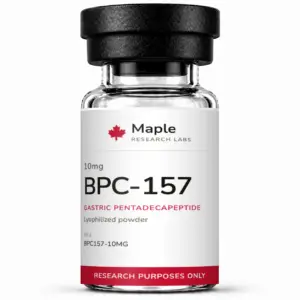
    Research peptides from suppliers like Maple Research Labs are clearly labeled for research use only. This designation indicates that materials are intended for controlled laboratory settings under appropriate oversight, not for any form of human consumption or clinical application.

    Pharmaceutical Peptide Products

    Pharmaceutical peptide products intended for human use in Canada must obtain approval from Health Canada and be manufactured according to GMP standards. These products undergo extensive clinical testing to establish safety and efficacy for specific medical indications.

    The regulatory requirements, manufacturing standards, and permissible uses for pharmaceutical products differ fundamentally from those for research materials. Researchers should understand this distinction and use research peptides only within appropriate scientific contexts.

    Institutional Compliance Requirements

    Canadian research institutions—universities, hospitals, government laboratories, and private research facilities—have compliance frameworks that govern the procurement and use of research materials.

    Research Ethics Oversight

    Research ethics boards (REBs) at Canadian institutions review research protocols to ensure they meet ethical standards. While not all peptide research requires ethics review, studies involving certain applications or broader research contexts may fall under REB purview.

    Researchers should consult their institutional ethics offices to determine whether their research activities require ethics review and what documentation of research materials may be needed.

    Laboratory Safety Compliance

    Institutional health and safety programs establish requirements for handling research materials in laboratory settings. These programs may specify storage requirements, handling procedures, waste disposal methods, and documentation practices.

    Peptide handling generally follows standard laboratory safety practices, but researchers should review their institutional safety requirements and ensure compliance with applicable guidelines.

    Procurement Policies

    Many Canadian institutions have procurement policies that govern how research materials are purchased. These policies may specify approved suppliers, documentation requirements, and approval processes for material purchases.

    Working with established Canadian peptide suppliers who provide appropriate documentation simplifies institutional compliance and ensures materials meet quality expectations.

    Documentation for Compliance

    Comprehensive documentation supports regulatory and institutional compliance. Quality peptide suppliers provide documentation that meets Canadian institutional expectations.

    Certificate of Analysis

    The Certificate of Analysis (COA) documents peptide identity, purity, and quality. COAs provide the analytical verification that institutions may require for research material procurement.

    COAs from Maple Research Labs include batch-specific analytical data that can be referenced in experimental records and compliance documentation.

    Research Use Only Designation

    Clear labeling and documentation indicating research use only designation helps demonstrate appropriate material categorization. This designation supports institutional compliance by confirming materials are not intended for prohibited uses.

    Our research use only policy explains this designation and its implications for material use.

    Batch Traceability

    Batch numbers and traceability documentation enable researchers to identify specific materials used in experiments. This traceability supports quality investigations, research reproducibility, and compliance documentation.

    Responsible Sourcing Practices

    Responsible sourcing of research peptides involves selecting reputable suppliers, verifying material quality, and using materials appropriately within research contexts.

    Supplier Selection

    Researchers should select suppliers who provide comprehensive quality documentation, maintain clear research use only positioning, and demonstrate commitment to quality standards.

    Canadian peptide laboratories like Maple Research Labs operate with documentation and quality standards designed for the Canadian research environment.

    Quality Verification

    Review COAs and other documentation to verify that materials meet your research requirements. Quality verification before experimental use helps ensure reliable research outcomes and demonstrates responsible material management.

    Appropriate Use

    Use research peptides only within the scope of legitimate scientific research. Research peptides are not approved for human consumption, clinical use, or any application outside controlled laboratory settings.

    Understanding Canadian Regulatory Context

    The Canadian regulatory environment for research materials operates within the broader framework of Health Canada oversight and institutional governance.

    Health Canada's Role

    Health Canada regulates pharmaceutical products, natural health products, and other substances intended for human use. Research materials used exclusively in laboratory settings, with no human use intended, fall outside the scope of Health Canada's product approval requirements.

    This regulatory position depends on materials being manufactured, labeled, and used exclusively for research purposes. Suppliers and researchers share responsibility for maintaining the research-only nature of these materials.

    Provincial Considerations

    Research activities in Canada may also be subject to provincial regulations depending on the nature of the research and institutional context. Researchers should be aware of any provincial requirements that may apply to their work.

    Compliance Best Practices

    Adopting compliance best practices helps researchers meet institutional requirements and demonstrate responsible research conduct.

    Maintain Comprehensive Records

    Keep organized records of research material purchases, quality documentation, and experimental use. These records support institutional compliance, research reproducibility, and response to any inquiries about material sourcing.

    Follow Institutional Procedures

    Adhere to your institution's procurement, safety, and research conduct policies. When in doubt about requirements, consult appropriate institutional offices for guidance.

    Use Materials Appropriately

    Restrict research peptide use to legitimate scientific research in appropriate laboratory settings. Do not use, recommend, or facilitate any use of research materials outside their intended research context.

    Report Concerns

    If you become aware of inappropriate use of research materials, report concerns to appropriate institutional authorities. Maintaining the integrity of research material use protects the research community and the continued availability of these important scientific tools.

    Ethical Considerations

    Beyond regulatory compliance, ethical considerations guide responsible research peptide use. Researchers should consider the broader implications of their work and ensure research activities align with ethical principles.

    Our ethical considerations in research article provides additional guidance on ethical frameworks for research material use.

    Staying Informed

    Regulatory and institutional requirements may change over time. Researchers should stay informed about relevant developments and adjust practices as needed to maintain compliance.

    Institutional Updates

    Monitor communications from institutional compliance, safety, and ethics offices for updates to policies and procedures that may affect research material use.

    Professional Networks

    Engagement with professional scientific communities can provide insights into evolving best practices and regulatory developments affecting research material use.

    Maple Research Labs Commitment

    Maple Research Labs is committed to responsible research peptide supply. We provide materials exclusively for legitimate scientific research, with clear research use only labeling and documentation that supports institutional compliance requirements.

    Our documentation standards and quality practices are designed to meet the expectations of Canadian research institutions while supporting researchers in maintaining compliant, responsible practices.

    For questions about regulatory considerations or documentation for compliance purposes, please contact our team. We are happy to discuss how our practices support your institutional requirements.

    Conclusion

    The regulatory environment for research peptides in Canada centers on the distinction between research materials and pharmaceutical products. By understanding this distinction, following institutional requirements, and adopting responsible sourcing practices, Canadian researchers can confidently use research peptides in their scientific investigations.

    Comprehensive documentation, clear research use only designation, and quality-focused suppliers like Maple Research Labs support researchers in meeting compliance requirements while advancing their scientific work.

    Related Research Products

    Browse high-purity peptides with verified COAs

    View Products

    Explore Our Research Materials

    View our complete catalog of high-purity research compounds with third-party verified COAs.

    Browse Products