Quality Materials for Research Excellence

    Peptide Research Materials

    Maple Research Labs provides Canadian researchers with documented, high-purity peptide materials designed for laboratory investigation. From proper storage protocols to comprehensive documentation, we support research excellence at every step.

    For laboratory research use only. Not intended for human or veterinary use.

    Third-Party Verified
    Full Documentation
    Lyophilized Form
    Cold Chain Shipping

    Understanding Peptide Research Materials

    Peptide research materials represent a specialized category of laboratory supplies essential for molecular biology, biochemistry, and related scientific disciplines. These materials require careful manufacturing, rigorous quality control, and appropriate handling to maintain their utility for research applications.

    For Canadian researchers, access to properly documented and handled peptide materials directly impacts research quality. The reproducibility of experimental results, the validity of published findings, and the efficiency of research programs all depend on the quality and consistency of the materials used.

    Maple Research Labs specializes in providing peptide research materials that meet the exacting standards required by Canadian research institutions. Our materials are manufactured under controlled conditions, tested for purity and identity, and supplied with comprehensive documentation that supports research integrity and institutional compliance.

    Types of Peptide Research Materials

    Research peptides are available in different forms and grades to suit various research applications and budgets. Understanding these options helps researchers select the most appropriate materials for their specific needs.

    Lyophilized (Freeze-Dried) Peptides

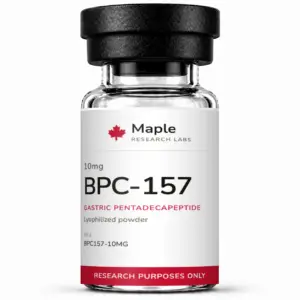
    The majority of research peptides are supplied in lyophilized form, a freeze-dried powder that offers superior stability compared to liquid solutions. Lyophilization removes water from the peptide preparation, significantly reducing degradation pathways and extending shelf life under proper storage conditions.

    Lyophilized peptides are reconstituted before use by dissolving in an appropriate solvent. This format allows researchers to prepare only the quantity needed for immediate experiments, minimizing waste and ensuring each experiment uses freshly prepared material.

    Purity Grades

    Available Purity Standards:

    • Research Grade (≥95% purity): Suitable for most research applications including initial investigations, screening studies, and method development. This grade offers an excellent balance of quality and value for general research use.
    • Premium Grade (≥98% purity): Recommended for applications requiring higher purity, such as receptor binding studies, structural biology, or quantitative assays where impurities might interfere with results or require correction.

    Quantity Options

    Peptide research materials are available in various quantities to accommodate different research scales. Smaller quantities suit initial studies or method development, while larger quantities support ongoing research programs or studies requiring multiple experiments. Our catalog offers size options designed for the Canadian research market.

    Browse our peptide catalog to explore available materials and specifications.

    Storage and Handling of Peptide Materials

    Proper storage and handling are critical for maintaining peptide integrity and ensuring reproducible research results. Understanding the factors that affect peptide stability enables researchers to implement appropriate protocols in their laboratories.

    Temperature Requirements

    Temperature is the primary factor affecting peptide stability. Lyophilized peptides should be stored at -20°C or below for long-term storage. At these temperatures, most peptides remain stable for extended periods. Short-term storage at 2-8°C is acceptable for peptides in active use, but long-term refrigerator storage is not recommended.

    Lyophilized Peptide Storage:

    • • Store at -20°C or below
    • • Keep in dry environment
    • • Protect from light
    • • Allow to reach room temperature before opening
    • • Reseal tightly with desiccant

    Reconstituted Peptide Handling:

    • • Store at 2-8°C
    • • Use within recommended timeframe
    • • Aliquot to avoid freeze-thaw
    • • Use sterile technique
    • • Document preparation details

    Environmental Factors

    Beyond temperature, other environmental factors affect peptide stability. Moisture can hydrolyze peptide bonds, particularly in lyophilized preparations. Light exposure can cause photodegradation in certain amino acid residues. Oxygen can lead to oxidation of methionine and cysteine residues. Storage conditions should minimize exposure to all these factors.

    Reconstitution Best Practices

    When reconstituting lyophilized peptides, allow the vial to reach room temperature before opening to prevent moisture condensation on the peptide. Use an appropriate solvent as specified in the product documentation—typically sterile water, dilute acetic acid, or DMSO depending on peptide solubility. Add solvent slowly along the vial wall and allow the peptide to dissolve gently without vigorous mixing.

    For comprehensive storage guidance, see our detailed article on peptide storage and stability or review compound storage best practices.

    Documentation and Quality Verification

    Quality documentation is an essential component of research peptide materials. Proper documentation supports research reproducibility, enables troubleshooting of experimental issues, and satisfies institutional compliance requirements.

    Certificate of Analysis

    Every batch of peptide research materials should be accompanied by a Certificate of Analysis (COA) documenting analytical results. Our COAs include HPLC purity data with chromatograms, mass spectrometry confirmation of molecular weight, batch and lot numbers for traceability, synthesis date and expiration information, and recommended storage conditions.

    Our Material Quality Standards:

    • All materials verified by HPLC and mass spectrometry
    • Third-party testing for independent verification
    • Complete batch traceability documentation
    • Temperature-controlled packaging for shipping
    • Handling guidelines included with each order

    Third-Party Verification

    Independent verification by third-party laboratories provides additional assurance of material quality. This external testing confirms that peptides meet stated specifications and provides unbiased documentation that supports research credibility and publication requirements.

    Learn more about quality documentation in our guides to understanding Certificates of Analysis and interpreting COA documents.

    Shipping Peptide Materials Across Canada

    Peptide research materials require careful handling during shipping to maintain their integrity. As a Canadian supplier, we understand the logistics of delivering materials across our vast country while preserving product quality.

    Temperature-Controlled Packaging

    All peptide shipments use appropriate insulated packaging with cold packs to maintain stable temperatures during transit. This temperature control is particularly important for deliveries during Canadian summers or to warmer regions where ambient temperatures could affect product stability.

    Domestic Shipping Advantages

    Domestic shipping within Canada offers significant advantages over international orders. Reduced transit times—typically 2-5 business days depending on location—mean less exposure to potentially degrading conditions. No customs delays or international shipping complications further streamline delivery and protect product integrity.

    We ship to research facilities across all Canadian provinces and territories, from major research universities in urban centers to laboratories in more remote locations. Tracking is provided for all shipments so researchers can monitor delivery progress and plan for receipt.

    For more details on receiving peptide shipments, see our guide on shipping peptides within Canada.

    Frequently Asked Questions About Peptide Research Materials

    Related Resources

    Access Quality Peptide Research Materials

    Explore our catalog of documented, tested peptide materials designed for Canadian research laboratories.